
ĐỀ KIỂM TRA 1 TIẾT TIẾNG ANH 8 HỌC KỲ 2 (MẪU CHUẨN)
Chào các em học sinh Lớp 8 thân mến! Dưới đây là cấu trúc đề kiểm tra 45 phút (1 tiết) Tiếng Anh 8 Học kỳ 2 bám sát chương trình mới nhất. Thầy/Cô đã biên soạn kèm kịch bản file nghe, đề bài chi tiết và lời giải từng bước để giúp các em ôn luyện thật tốt và đạt điểm cao trong các kỳ thi.
PART I. LISTENING (2.0 points)
Kịch bản nghe (Listening Script): “Natural disasters can be devastating. Last week, a powerful tornado struck a small town in Oklahoma. It destroyed over 50 houses and left hundreds of people homeless. Luckily, warnings were broadcast on TV and radio early, so most residents evacuated to safe shelters. Emergency services arrived quickly to provide clean water, food, and medical supplies to the victims.”
Listen and choose the correct answer A, B, C, or D:
- What natural disaster struck the small town in Oklahoma?
- How many houses were destroyed by the tornado?
- Why did most residents manage to evacuate safely?
- What did emergency services provide to the victims?
A. A flood
B. A tornado
C. An earthquake
D. A tsunami
A. Under 10
B. Exactly 15
C. Over 50
D. About 100
A. Because the tornado was weak.
B. Because they were warned early on TV and radio.
C. Because police carried them out.
D. Because they saw the dark clouds.
A. Money and clothes
B. Clean water, food, and medical supplies
C. Tents and blankets
D. New houses
PART II. PHONETICS (1.0 point)
Choose the word whose underlined part is pronounced differently:
- A. predict
B. earthquake
C. evacuate
D. prepare
Choose the word that has a different stress pattern:
- A. technology
B. communication
C. biology
D. environment
PART III. LEXICO – GRAMMAR (3.0 points)
Choose the best option A, B, C, or D to complete each sentence:
- If we keep polluting the environment, many animals ______ extinct.
- Nam asked me: “Are you interested in science and technology?” -> Nam asked me ______ interested in science and technology.
- The rescue team spent three days searching ______ survivors after the landslide.
- Modern smartphones allow people to communicate ______ text messages easily.
- Look at those black clouds! It ______ rain very soon.
- Volcanoes are one of the most dangerous natural ______ on Earth.
A. become
B. would become
C. will become
D. became
💡 Gợi ý lựa chọn tốt nhất cho: Sản Phẩm Đề Xuất
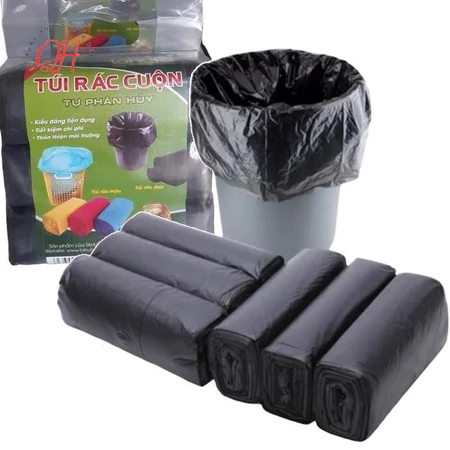
Đang có chương trình ưu đãi và giảm giá độc quyền trên Sét 3 Cuộn Túi Đựng Rác Tự Phân Huỷ Tiện Lợi Rễ Sử Dụng. Khám phá ngay!
Xem Chi Tiết & Nhận Ưu Đãi →A. if I was
B. if was I
C. whether I am
D. that I was
A. on
B. for
C. in
D. at
A. via
B. on
C. with
D. at
A. is going to
B. will
C. must
D. should
A. disasters
B. pollution
C. predictions
D. technology
PART IV. READING (2.0 points)
Read the passage and answer the questions below:
Science and technology have advanced rapidly in recent decades. Modern inventions like the internet, smartphones, and artificial intelligence have changed the way people live, work, and communicate. In medicine, advanced equipment helps doctors diagnose diseases earlier and cure serious illnesses. However, technology also brings some drawbacks, such as reduced face-to-face communication and privacy issues. Therefore, humans should use technology wisely to improve quality of life without becoming overly dependent on it.
- What has changed the way people live and work in recent decades?
- How does advanced equipment help doctors in medicine?
- What are two drawbacks of technology mentioned in the text?
- According to the author, how should humans use technology?
PART V. WRITING (2.0 points)
Rewrite the following sentences without changing their meaning:
- “I am reading a book about Mars now,” said Mai.
- We don’t plant more trees, so the air is polluted.
- They built a new rescue center in our town last month.
- People will use video calls more often in the future.
-> Mai said that _____________________________________________.
-> If we ____________________________________________________.
-> A new rescue center ______________________________________.
-> Video calls ______________________________________________.
ĐÁP ÁN VÀ HƯỚNG DẪN GIẢI CHI TIẾT TỪNG BƯỚC
PART I. LISTENING
- Câu 1: Đáp án B. Trong đoạn nghe có đề cập: “…a powerful tornado struck a small town…”. Do đó chọn Tornado (Trận lốc xoáy).
- Câu 2: Đáp án C. Thông tin nghe được: “…destroyed over 50 houses…”. Chọn “Over 50”.
- Câu 3: Đáp án B. Thông tin nghe được: “…warnings were broadcast on TV and radio early, so most residents evacuated…”. Chọn B.
- Câu 4: Đáp án B. Thông tin nghe được: “…provide clean water, food, and medical supplies…”. Chọn B.
PART II. PHONETICS
- Câu 5: Đáp án B.
Phần gạch chân ở đáp án B phát âm là /e/ (earthquake – /ˈɜːθ.kweɪk/ có chữ ‘e’ thứ 2 phát âm /e/). Các từ còn lại chữ ‘e’ đầu tiên phát âm là /ɪ/: predict /prɪˈdɪkt/, evacuate /ɪˈvæk.ju.eɪt/, prepare /prɪˈpeər/. - Câu 6: Đáp án B.
A. te’chnology (trọng âm 2)
B. communi’cation (trọng âm 4)
C. bi’ology (trọng âm 2)
D. en’vironment (trọng âm 2)
Đáp án B có trọng âm rơi vào âm tiết thứ 4, khác với các từ còn lại (âm tiết thứ 2).
PART III. LEXICO – GRAMMAR
- Câu 7: Đáp án C.
Phân tích: Mệnh đề chỉ điều kiện “If we keep…” ở thì Hiện tại đơn (V1), đây là Câu điều kiện loại 1 diễn tả sự việc có thể xảy ra ở hiện tại/tương lai. Mệnh đề chính dùng cấu trúc “will + V-bare”. Chọn “will become”. - Câu 8: Đáp án A.
Phân tích: Chuyển câu hỏi Yes/No sang câu gián tiếp (Reported Speech). Cấu trúc: S + asked + O + if/whether + S + V (lùi thì). Động từ “are” lùi thì thành “was” phù hợp với chủ ngữ “I”. Chọn “if I was”. - Câu 9: Đáp án B.
Phân tích: Động từ “search” đi với giới từ “for” có nghĩa là “tìm kiếm ai/cái gì” (search for survivors – tìm kiếm người sống sót). - Câu 10: Đáp án A.
Phân tích: Giới từ “via” có nghĩa là “thông qua / bằng cách”. Gửi tin nhắn qua hình thức nhắn tin văn bản chọn “via”. - Câu 11: Đáp án A.
Phân tích: “Look at those black clouds!” là dấu hiệu trực quan ở hiện tại chứng tỏ một hành động sắp diễn ra trong tương lai gần. Dùng cấu trúc “be going to + V”. Chọn “is going to”. - Câu 12: Đáp án A.
Phân tích: Dựa vào nghĩa: Volcanoes (Núi lửa) là một trong những thảm họa thiên nhiên (natural disasters) nguy hiểm nhất.
PART IV. READING
- Câu 13: Science and technology (or Modern inventions like the internet, smartphones, and artificial intelligence).
Giải thích: Dựa vào câu 1 và 2 trong bài đọc: “Science and technology have advanced… Modern inventions like… have changed the way people live and work.” - Câu 14: Advanced equipment helps doctors diagnose diseases earlier and cure serious illnesses.
Giải thích: Dựa vào câu 3: “In medicine, advanced equipment helps doctors…” - Câu 15: Reduced face-to-face communication and privacy issues.
Giải thích: Dựa vào câu 4: “…such as reduced face-to-face communication and privacy issues.” - Câu 16: Humans should use technology wisely to improve quality of life without becoming overly dependent on it.
Giải thích: Dựa vào câu cuối cùng của bài đọc.
PART V. WRITING
- Câu 17: Mai said that she was reading a book about Mars then.
Các bước làm: Chuyển sang câu gián tiếp. Đổi đại từ “I” -> “she”, lùi thì “am reading” -> “was reading”, đổi từ chỉ thời gian “now” -> “then”. - Câu 18: If we planted more trees, the air wouldn’t be polluted.
Các bước làm: Viết lại câu dùng Câu điều kiện loại 2 (trái ngược với thực tế ở hiện tại). Mệnh đề If dùng Quá quá khứ đơn (planted), mệnh đề chính dùng “wouldn’t + V-bare” (wouldn’t be). - Câu 19: A new rescue center was built in our town last month.
Các bước làm: Chuyển câu chủ động sang bị động ở thì Quá khứ đơn (S + was/were + V3/ed). Chủ ngữ số ít “A new rescue center” đi với “was built”. - Câu 20: Video calls will be used more often in the future.
Các bước làm: Chuyển câu chủ động sang bị động ở thì Tương lai đơn (S + will be + V3/ed). Động từ “use” chuyển thành “will be used”.